Skip to content
OPEN ACCESS A field guide to modern peptide science

A clear guide to
peptide science.

What peptides do, what medicine has established, and what researchers are still exploring — explained with evidence and safety context, separate from partner listings.

SCIENCE FIRST. HYPE LAST.
FEATURED GUIDE / FOUNDATIONS
START HERE · 6 MIN READPeptides vs. proteinsWhat makes a peptide different from a protein?Explore the guide
06Editorial guides
05Topic areas
FreeOpen access
CATALOG ASCENSION PEPTIDES / RESEARCH CATALOG

Browse the research catalog.

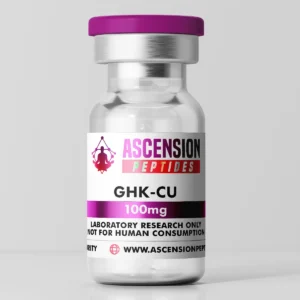
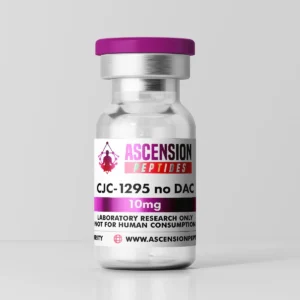
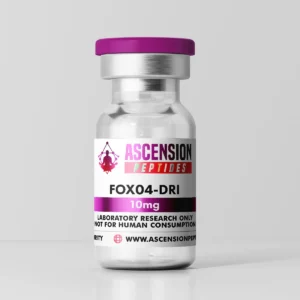
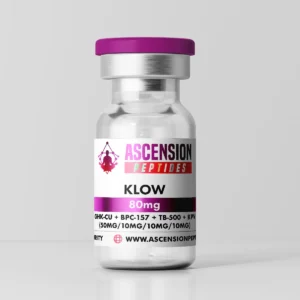
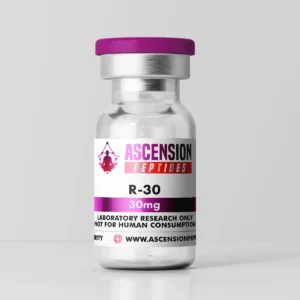
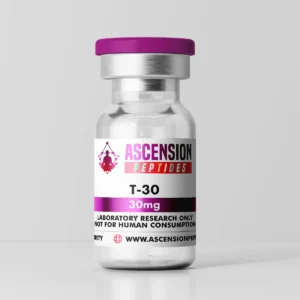
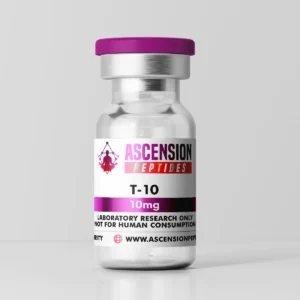
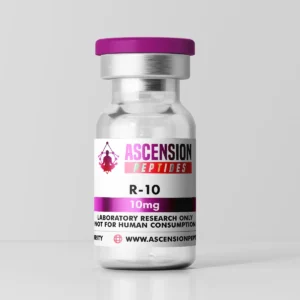
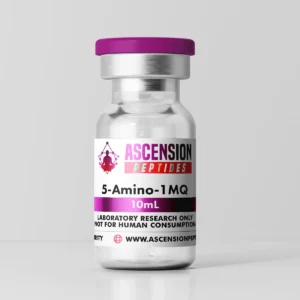
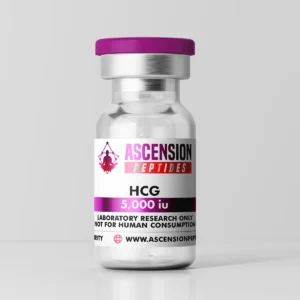
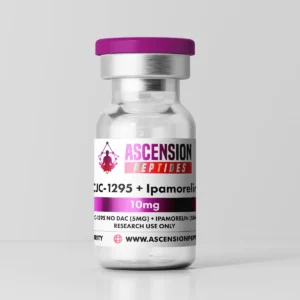
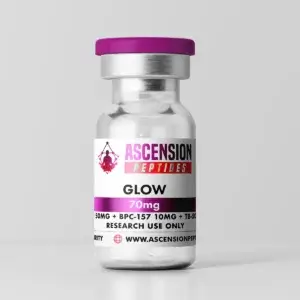
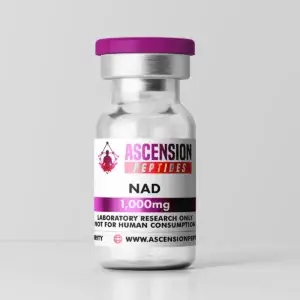
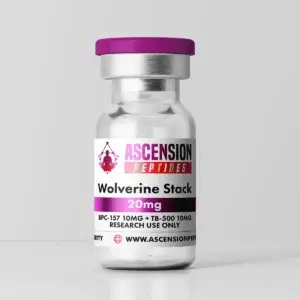
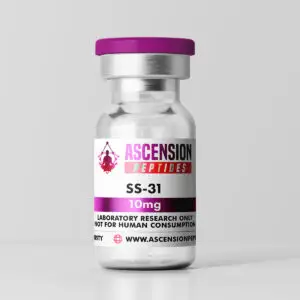
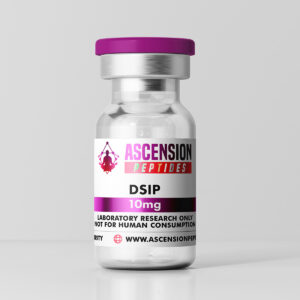
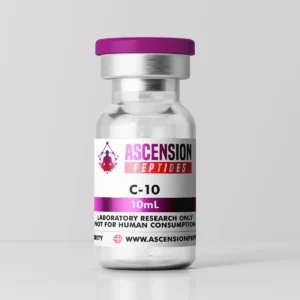
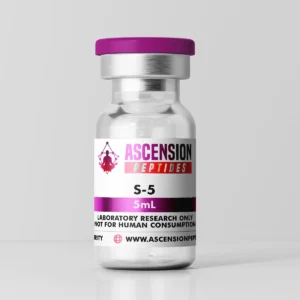
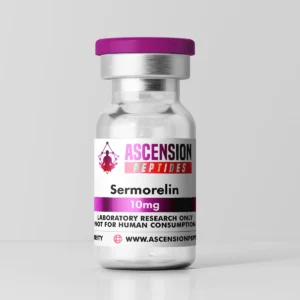
41 listings from Ascension Peptides, photographed as listed by the vendor. The catalog spans peptides, blends and other research compounds.

01–01 / 41

Affiliate disclosure: these are affiliate links; Peptide Inc. may earn a commission on purchases. For research use only. Not for human or veterinary consumption. Listings are not medical advice.

02 THE CASE FOR PAYING ATTENTION

What Are
Peptides?

Peptides are short chains of amino acids. Some act as hormones, some as signals between cells, and others help coordinate the everyday work of living systems.

That makes them more than a niche corner of chemistry. They help explain how our bodies communicate — and why researchers have turned many of these natural messages into medicines, while investigating others as future possibilities.

Start with the essentials
01
A simple definition

A peptide is a chain of amino acids joined by peptide bonds. Length, shape and biological role help distinguish peptides from larger proteins.

STRUCTURE → FUNCTION
03 THE COMMONS / FIELD GUIDE

Peptide Science
Guides & Videos.

Explore peptide biology, approved medicines, and research evidence.

06 / 06 GUIDES · 02 / 02 VIDEOS
FILTER THE LIBRARY BY TOPIC

Peptides vs. Proteins: What Are Peptides and How Do They Work?

Understand peptide bonds, amino-acid chains, biological signals, and how peptides differ from proteins and approved peptide medicines.

GLP-1 History: From Gut Hormone to Peptide Medicines

Explore how GLP-1 biology, exenatide, and longer-acting designs helped develop peptide medicines, with evidence and safety context.

Captopril and Snake Venom: How Peptides Inspired an ACE Inhibitor

Learn how venom peptides helped identify an enzyme target and inspire captopril, a non-peptide medicine, through research and drug design.

Peptide Drug Delivery: Stability, Absorption, and Long-Acting Designs

Why peptide medicines face digestion and absorption barriers, and how researchers study stability, formulation, and controlled exposure.

Antimicrobial Peptides: How They Work and Why Translation Is Difficult

Explore antimicrobial peptide mechanisms, infection research, resistance, and the safety and delivery barriers to new treatments.

How to Evaluate Peptide Evidence: Studies, Claims, and Approval

A practical guide to reading peptide research, distinguishing laboratory findings from clinical evidence, and checking health claims.

Video · Foundations · 7:50

Neuroscientist — What Are PEPTIDES & How Do They Work

A podcast excerpt discussing peptide signaling and investigational peptide research. Channel: Brain & Body Clips.

This discussion includes personal anecdotes and investigational-use claims. These are not proof of safety or clinical benefit, and the video is not medical advice.

Watch on YouTube
Video · Foundations · 2:24:21

Learning Peptides from A-Z with Jay Campbell

A long-form podcast interview with Jay Campbell exploring peptides and bioregulators, including BPC-157, GHK-Cu, MOTS-C, and other compounds. Channel: Official Success Formula.

This interview includes personal experiences, treatment claims, and suggested protocols. These are not proof of safety or effectiveness or a substitute for medical advice. Do not use it as a guide to self-treatment.

Watch on YouTube
i

Our library separates approved medicines from promising research. A mechanism is not a treatment, and early findings are not clinical proof.

04 FROM SIGNAL TO THERAPY
CLINICAL
CONTEXT

How Approved
Peptide Medicines Work.

Peptide medicines are not hypothetical. Insulin has transformed diabetes care for a century; newer peptide-based therapies target specific biological pathways.

01 / ESTABLISHED

In clinical practice

Insulin and GLP-1 receptor agonists are examples of peptide medicines with approved uses. Their indications and evidence belong to each specific medicine.

02 / IN THE MAKING

In the research pipeline

Many other peptides are being studied in laboratories and clinical trials. Research progress is not the same as approval, proven benefit or established safety.

How we talk about evidence
05 OUR EDITORIAL COMPASS

Evaluating
Peptide Evidence.

Good science writing can be welcoming without making the evidence sound bigger than it is.

01

We name the evidence stage.

Cell studies, animal research, clinical trials and approved uses answer different questions. We say which one we mean.

02

We don’t promise outcomes.

Potential is a reason to investigate, not a guarantee. Benefits and risks depend on the specific medicine and the evidence behind it.

03

We keep the context attached.

Approval applies to a particular product and indication. Research findings do not make unapproved uses established care.

OPEN QUESTIONS / 2026—
SIGNAL / SIGNAL / SIGNAL
06 THE EDGE OF THE MAP

Emerging
Peptide Research.

Long-acting designs. Better delivery. New targets. Across peptide research, the questions are exciting — and the answers are still being earned.

Explore antimicrobial peptide research ACTIVE RESEARCH IS NOT THE SAME AS ESTABLISHED TREATMENT.
07 WHAT THE EVIDENCE MAKES POSSIBLE

The Future of
Peptide Medicines.

Peptides show how close attention to the body’s own signals can inspire new medicines. The promise is real; so is the need for careful testing, clear evidence and the right clinical context.